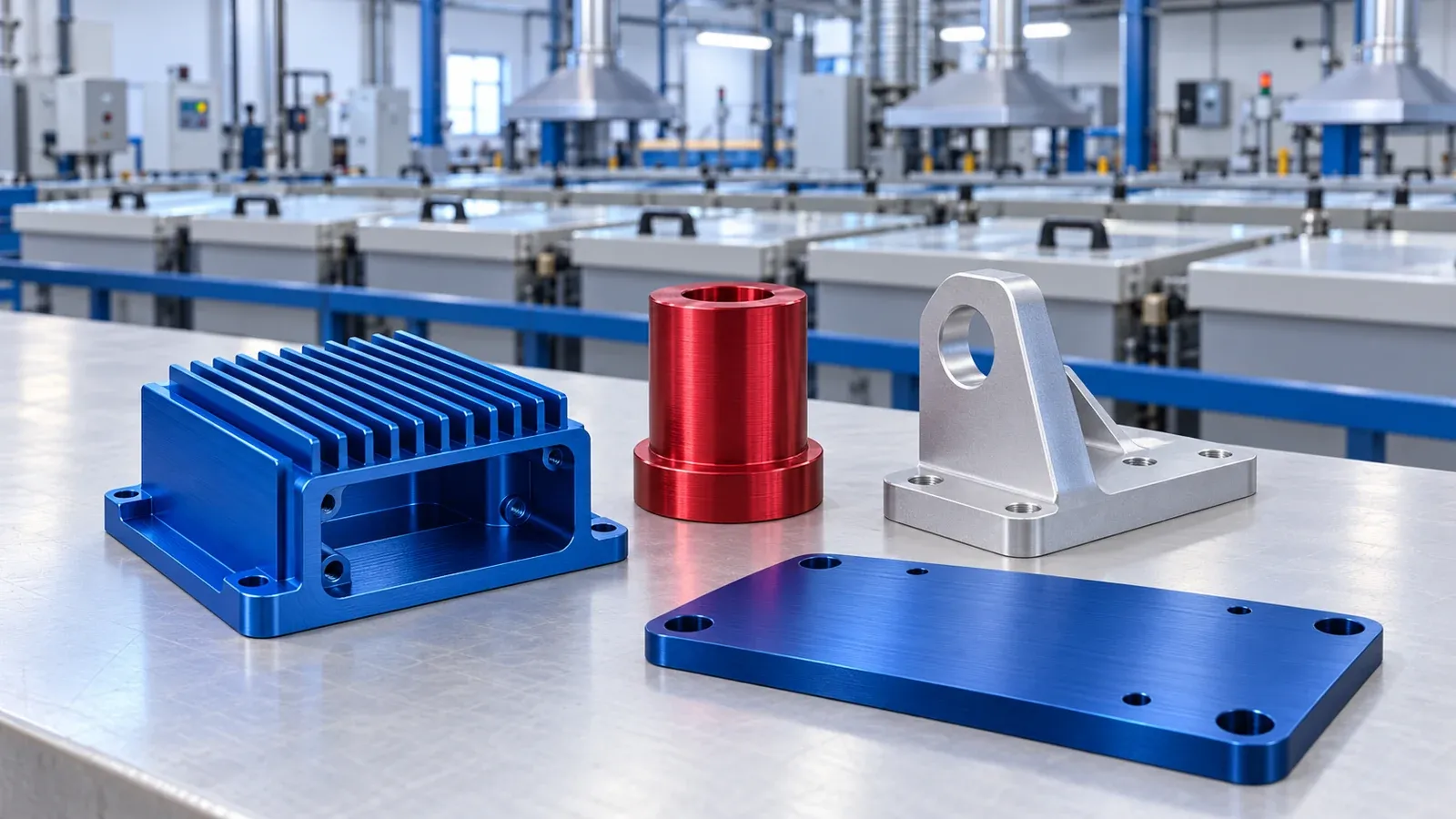
Type II anodizing is sulfuric-acid anodizing for appearance and protection: a porous oxide layer that can be dyed, sealed and controlled for colour. The project starts with a callout that fixes class, colour and sealing, then a line brief that covers dye tanks, sealing route, racking and water quality. Common appearance choices include natural/undyed, black and dyed blue, red or gold; the available shade and finish must be agreed for the actual alloy and sealed sample. Colour is a process requirement, not a paint selection.
In this guide
How should a Type II anodizing coating callout be written?
MIL-PRF-8625F with Amendment 2 covers six types and two classes of anodic coatings on aluminium and aluminium alloys for nonarchitectural applications. Confirm the edition invoked by the project. Type II is the sulfuric-acid coating; the class identifies whether colour is applied:
- Class 1 — the coating is not dyed. Natural colour comes from the alloy and the sealing process.
- Class 2 — the coating is uniformly dyed or pigmented. The colour and uniformity requirement come from the contract or drawing.
A callout that reads "anodize, black" is incomplete. An illustrative drafting checklist is: "MIL-PRF-8625 [contract revision], Type II, Class 2; colour/finish to approved sample [ID and revision]; significant surfaces and contact areas per drawing; sealing and acceptance per [approved requirement]." The design authority must complete and approve it; the bracketed fields are not a production callout. Retain the sample revision with the inspection record so a later shade decision can be traced.
ISO 7599:2018 provides an international specification route: a method for specifying decorative and protective anodic oxidation coatings on aluminium, including test methods and minimum performance requirements. Note its exclusions — hard anodic coatings for engineering use sit in a separate standard (ISO 10074), and chromic or phosphoric acid coatings are outside its scope. Where engineering properties drive the design, the responsible engineer should select the appropriate coating and acceptance requirements before assigning the line family.
How should Type II anodized colour be controlled and accepted?
Colour depends on alloy, incoming finish, coating, dye and sealing. Different alloys or conditions can produce different appearances. Agree an acceptable range using approved samples and a defined evaluation method instead of promising a match from a colour name.
Under MIL-PRF-8625F Amendment 2, section 3.7.1.3 makes light-fastness testing conditional on the contract, order or drawing. Identify whether it is invoked and record applicable exceptions; an outdoor colour name alone is not a fading guarantee.
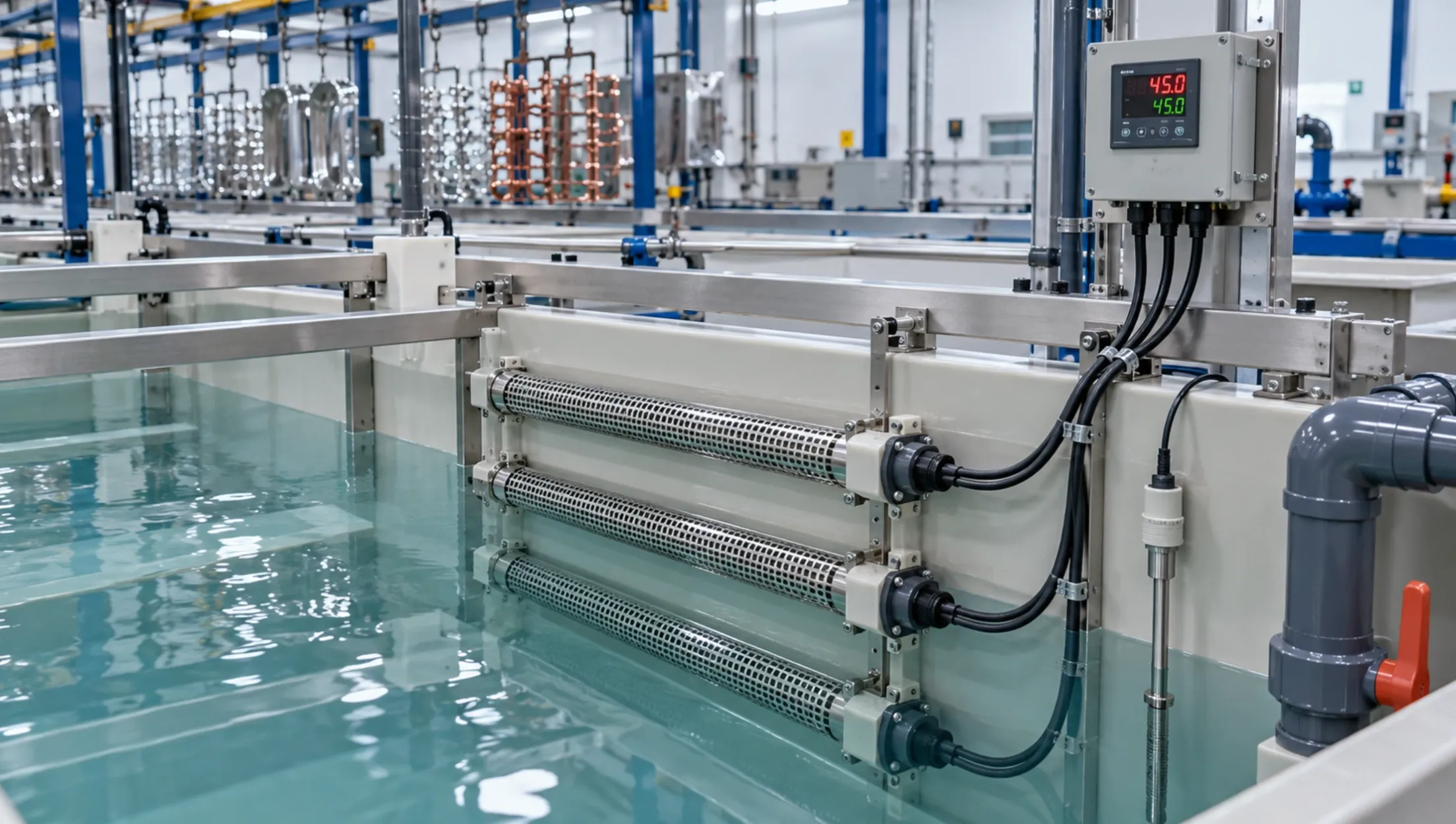
Plan the line for colour control: separate dye tanks with controlled temperature, DI water for dye make-up and rinsing, and a sealing stage whose chemistry is agreed before production. Our plating versus anodizing comparison explains where anodizing sits in the wider surface-treatment family.
Which anodized colour and surface finish should a buyer specify?
A colour name starts a discussion; it is not an acceptance sample or a promise of availability. Typical appearance families include natural/silver, black and dyed blue, red or gold. Confirm the actual alloy, incoming finish and approved process for every combination.
| Appearance choice | What the buyer should fix | What to confirm on samples |
|---|---|---|
| Natural / undyed | Alloy, incoming finish and permitted natural variation | Finished sealed appearance across the actual part mix |
| Black | Reference sample, gloss or texture and significant surfaces | Shade range, uniformity and specified exposure requirements |
| Other dyed colours | Approved colour range, alloy consistency and end use | Dye/seal compatibility, acceptable variation and any required light-fastness test |
Polished, brushed or blasted incoming surfaces can change how the same nominal colour looks. Record the finish, viewing conditions and agreed upper/lower appearance samples. For outdoor use, define actual exposure and invoked test requirements; a colour name alone does not establish fading resistance.
Which sealing route suits the Type II anodized part?
Agree sealing with the specification and final use. The route changes heating, rinsing, bath services and waste composition. An unsealed intermediate should not be assumed equivalent to a sealed finished part.
| Route to assess | Equipment input | Confirmation needed |
|---|---|---|
| Boiling deionized water | Heating/recovery duty and point-of-use water quality | Approved dwell and final sealed appearance |
| Hot nickel- or cobalt-acetate solution | Temperature control, make-up and metal-bearing rinse interfaces | Approved chemistry, colour compatibility and acceptance |
| Nickel-acetate / sodium-dichromate duplex | Two treatment duties, transfers and separate waste interfaces | Explicit approved route, site controls and final colour |
| Other suitable chemical solution, including a proposed proprietary route | Supplier-approved stages and controls | Acceptance by the process authority; no automatic equivalence |
These are examples in MIL-PRF-8625F Amendment 2, section 3.8.1.2, rather than interchangeable recipes. Section 3.8.1 requires complete sealing for Type II unless the contract, order or drawing specifies otherwise. The equipment duties above are planning questions, not bath settings. Do not assign a universal corrosion or energy advantage.
How do racking and loading affect anodized colour?
Anodizing racks carry current through contact points, which can leave thin or uncoated areas. Mark permitted contacts and significant appearance surfaces on the drawing. MIL-PRF-8625F Amendment 2, section 3.3.1.1, places machining before anodizing unless otherwise specified; do not assume later machining is acceptable for removing contact marks. An approved exception needs final dimensions, exposed surfaces and protection requirements defined by the design authority. Loading must prevent unwanted part contact and provide solution access for the approved process.
Provide the assessor with a marked drawing showing visible surfaces, permitted contact zones and any masked features. If the same rack must carry several dye lots, state how parts are identified through dyeing and sealing, because colour claims are only traceable when the load is.
What belongs in a Type II anodizing project brief?
| Input | What to provide | What the proposal should clarify |
|---|---|---|
| Callout | Type, class, colour reference, sealing requirement | Process route and control points |
| Alloy and finish | Alloy series, incoming surface finish and condition | Expected colour behaviour and sample plan |
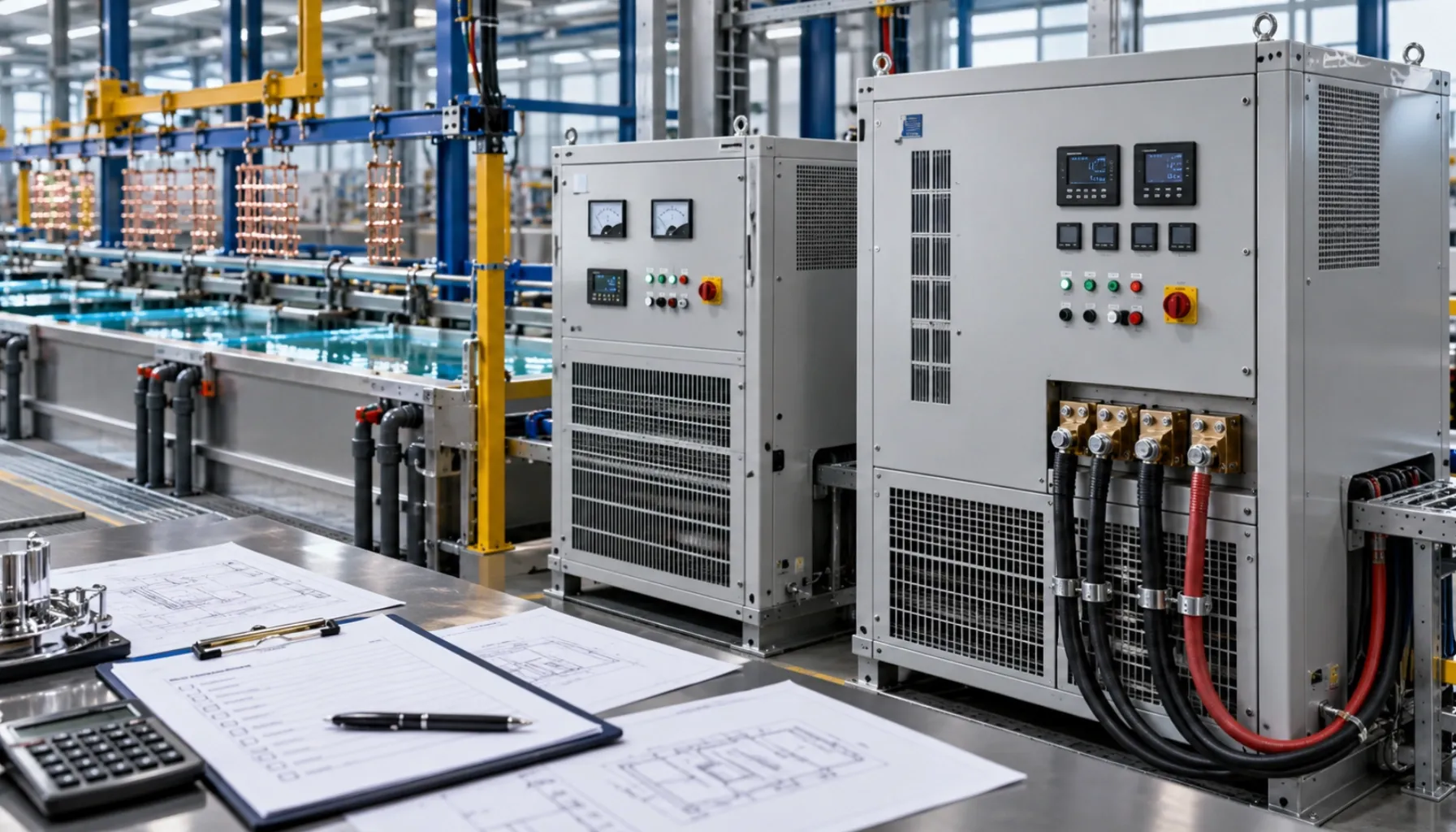
| Loading | Part dimensions, coated area per load, rack weight, visible surfaces and permitted contacts | Rack capacity, loading density and rectifier sizing basis |
| Production and transfers | Target monthly output, shift pattern, part mix and approved transfer constraints | Capacity assumptions, hoist sequence, dye-lot handling and required wet-transfer control |
| Water and dyeing | DI water demand, dye system responsibility | Included tanks, dosing and monitoring |
| Utilities | Heating, cooling, exhaust, effluent destination | Included equipment and retained services |
| Acceptance | Coating weight or thickness, appearance, light fastness, seal quality | Who tests, on what specimens, with what records |
For MIL-PRF-8625F Amendment 2 work, section 3.12 prohibits drying before dyeing/colouring and limits dyed or coloured coatings to five minutes in rinse waters before sealing. The five-minute limit describes rinse-water residence; it is not a universal five-minute anodizing-to-seal cycle. Check the hoist programme and queue positions against this requirement and the approved route.
Our line setup checklist covers the wider factory inputs, and the quotation scope guide explains how to compare offers that include different equipment boundaries.
Where this does not fit
- Engineering wear requirements: a Type II label does not settle suitability; the design authority must approve coating, dimensions and tests.
- Perfect colour matching across alloys: colour cannot be promised to a single chip across different alloy series; agree sample-based acceptance or restrict the alloy range.
- Castings with high silicon or porosity: dyeing can show blotchiness from the casting structure; these parts need a sample evaluation before any volume commitment.
- Chromate sealing where regional restrictions apply: where dichromate use is restricted, the sealing route must be re-decided with local specialists, not carried over from an old specification.
- Continuous coil or wire: coil anodizing follows a continuous-line logic; tank-based racking does not apply.
Questions You May Have:
Can one line produce every anodized colour?
Specify an agreed range of alloy, colour and finish combinations. Additional colours may need different tanks, controls or qualification samples; confirm availability and appearance for the actual project.
Is the "Type II" label enough for a quote?
No. Type, class, colour reference, coating weight or thickness and sealing method all change the equipment and the controls. Send the full callout.
Does sealing change the colour?
Evaluate colour after the specified sealing treatment on representative parts. MIL-PRF-8625F Amendment 2, section 6.11, notes possible colour changes with a nickel-acetate/dichromate duplex treatment; this does not establish how every sealing chemistry affects every colour. Agree the final sealed appearance range and the approved route.
Are anodized parts coated on the inside of holes?
Coating reach into small holes is limited, and the specification's design guidance treats small or tapped holes separately. Mark holes that must remain functional and let the process owner define what is achievable.
Official references
- MIL-PRF-8625F Amendment 2 — Anodic Coatings for Aluminum and Aluminum Alloys (DLA ASSIST) — types and classes, dyeing and light fastness, sealing provisions.
- ISO 7599:2018 — Anodizing of aluminium: specifying decorative and protective anodic oxidation coatings — designation method, test methods and performance requirements; excludes hard anodizing and chromic/phosphoric processes.
Get Proposal and Demo
Introduce your anodizing project with company, name, email and project country. Technical fields are optional. Provide the callout, alloy, colour reference and part mix when available, and ask which line scope and sample plan apply to your colours.
Specifications can follow by sales email, or chat on WhatsApp. If wear rather than appearance drives the project, identify that requirement in your inquiry so the appropriate coating route can be assessed.