Plating Process
Sending Plated Parts to a Test Laboratory
Prepare plated parts for a laboratory handoff with clear sample identity, test locations and decision rules. Link the report to the actual production lot.
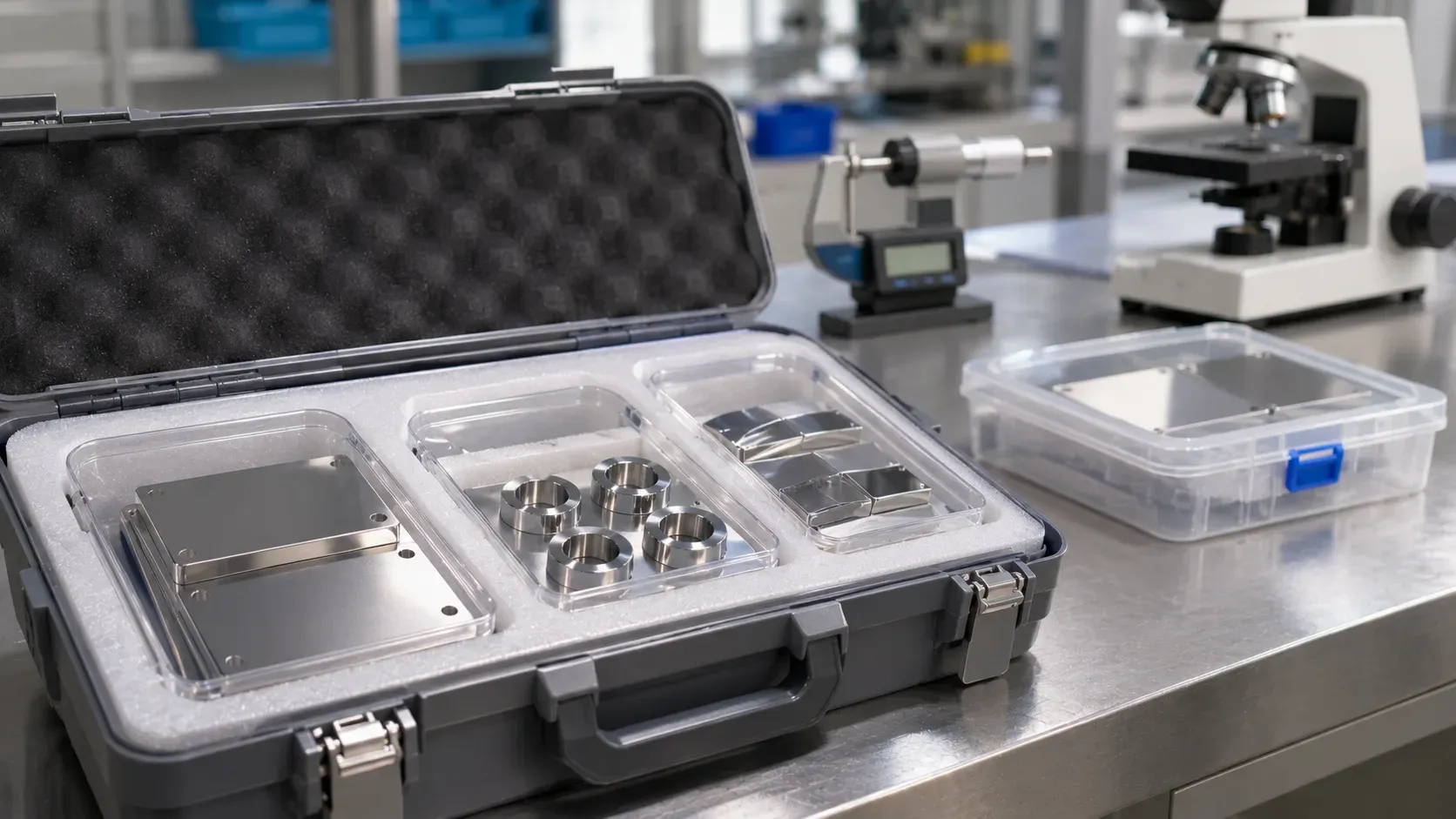
Send plated parts to a laboratory with a defined test request, specimen identity and marked inspection locations. Agree the method, preparation and reporting needs before dispatch. Link the returned report to the production lot and the decision it must support, including any destructive sampling or additional checks needed for release.
A test report can be technically correct and still leave the buyer unable to release a lot. The reported specimen may be poorly linked to production, a measurement may use the wrong feature, or the requested pass decision may lack an agreed criterion.
Ask the laboratory to confirm the request
Provide the drawing or marked feature, coating system, substrate and the question to answer. Name the method and edition required by the project. If a method has to be selected, ask the laboratory and quality owner to resolve it before the parts arrive.
Confirm whether specimen preparation changes or consumes the part. Mark the cutting or measurement location when that matters. Tell the laboratory whether it is receiving production parts, witness coupons or reference pieces and explain which lot each represents.
Handoff field | What to make explicit | Problem it prevents |
|---|---|---|
Identity | Lot, part revision and individual specimen ID | Result cannot be tied to production |
Location | Marked face, feature, datum or section | Correct method used on the wrong surface |
Method and preparation | Required edition, specimen state and preparation agreement | Unexpected or unapproved alteration |
Decision | Criteria, units and requested report content | Ambiguous pass statement |
Return and retention | What happens to specimens and prepared sections | Loss of investigation evidence |
The ILAC laboratory accreditation information explains the role of accreditation in selecting testing services. Check the laboratory's applicable scope for the requested work and the buyer's requirements for the report.
Worked example with a recessed coating measurement
Suppose the buyer needs thickness evidence at a recessed seat. The laboratory receives a component labeled only with the purchase order. It can identify the job but cannot determine which seat or precise location the drawing intended.
Before dispatch, mark the feature on a drawing and identify the specimen. Ask the laboratory to confirm the method's access and any sectioning needed. Record the reference direction so a location can be reconstructed after preparation. If several sections or readings are required, assign their identifiers in the test request.
On return, review whether the report identifies the specimen, locations, method and result in the agreed units. Match it to the sample record and retain the drawing revision used for the request. A discrepancy goes back to the laboratory or responsible quality owner before the report is used for release.
Keep specimen and lot decisions distinct
The sampling plan determines how specimen results apply to production. Identify who chose the specimens and how the selection represents the lot. A laboratory can report what it measured, while the buyer's quality plan establishes the release decision for untested pieces.
For coupon use, state the approved representativeness and the checks still required on the part. Use the coating thickness testing guide to discuss method access and the QQ-N-290 and ASTM B689 guide when the coating callout itself needs clarification.
Preserve the first report and any correction as the laboratory's controlled versions. Record which version the release uses and why a correction was issued. Keep the communication that changed the test request or interpretation with the lot's inspection evidence.
Build a handoff that can be repeated
Create one dispatch list naming every specimen and test. Record condition and packaging before dispatch, the receiving confirmation and the requested turnaround relative to the production hold. Use handling that preserves the feature and any surface condition relevant to the test.
Record dispatch ID · lot · specimen ID · part revision · marked location · test method · preparation approval · acceptance rule · report version · disposition and owner. The automation and traceability guide can help connect external reports to the line's lot and rack records.
Before routine use, ask someone outside the original trial team to reconstruct one test from the dispatch list and report. They should be able to identify the physical specimen, locate the tested feature and see which production decision used the result. Resolve missing links while the sample and laboratory contacts remain available.
FAQ
Can a purchase order number identify the test specimen?
Use the order as one link and assign an individual specimen identity where needed to match locations and results.
Should the laboratory decide whether the lot passes?
Agree the requested decision and acceptance basis before testing. Apply the project's sampling and release rules to the reported evidence.
What if the proposed test destroys a functional feature?
Obtain approval for specimen preparation and the affected part's disposition before the test begins.
Discuss test evidence for line acceptance
Share the part feature and test request. Include the method, specimen role and report needed for release. Send marked drawings by sales email, or discuss the project on WhatsApp.