AMS 2460 addresses electrodeposited chromium. To turn that callout into an equipment brief, identify the invoked edition and deposit classification, the part and significant surfaces, applicable hydrogen controls, and the required acceptance evidence. The specification name alone does not establish a complete plating route or a supply scope.
Scope and limits: chromium specification planning
- Judging the invoked scope from the purpose label alone: an appearance-led use does not by itself decide which specification applies, and neither does the phrase "hard chrome". Record the actual specification, edition, deposit classification and layer system from the contract.
- Hexavalent-versus-trivalent chemistry debates: the specification governs the deposit's requirements; chemistry selection follows the contract and local requirements.
- Quoting from the specification name alone: thickness ranges and process details live in the controlled edition. Verify the document and revision the contract invokes before fixing the line scope.
- Substituting between AMS documents silently: 2460, 2406 and 2438 answer different deposit requirements; the design authority decides the mapping.
What does AMS 2460 cover?
AMS 2460 specifies requirements for electrodeposited chromium — the deposit requirements, the process controls the shop runs under, and the verification the part must pass. Its current edition is AMS 2460B (2023). The related public catalogue scopes identify distinct documents:
| Document | Public catalogue scope | Question for the contract |
|---|---|---|
| AMS 2460B | Electrodeposited chromium requirements | Which classification, layer stack and acceptance clauses does the approved drawing invoke? |
| AMS 2406R | Electrodeposited hard chromium plate | Does the drawing name this document or AMS2460? Obtain approval for any proposed substitution. |
| AMS 2438F | Thin, hard, dense electrodeposited chromium on ferrous/nonferrous alloys | Is this route explicitly named? Confirm its approved deposit requirements rather than inferring a numerical thickness from the title. |
These public scopes are orientation, not a substitution rule or a reproduction of controlled clauses. Record the contract-invoked edition and classification. Ask the design authority to resolve a proposed document change; then identify any additional preparation, thermal-treatment or inspection requirements actually invoked for the part.
What does the callout change for the line?
Three consequences dominate the equipment assessment:
Hydrogen management. Electroplated chromium on susceptible steel is a hydrogen-generating process. Where the invoked requirements call for hydrogen embrittlement relief, baking follows the invoked document — using the applicable contract document — with recorded profiles and part traceability. Whether the bake applies, its timing, who performs it, and whether existing or external oven facilities serve — these are set by the substrate, its strength and condition, and the contract. Define the applicable oven capacity, loading, transfer timing, recording and retained-facility responsibilities in the equipment scope. A quotation that silently assumes a new oven — or silently assumes none — is not yet comparable.
Power quality and control. Rectifier suitability depends on the approved chromium process, plated area, load pattern and its output and control requirements. Our rectifier selection guide covers the output, ripple and control questions that a chromium line brief should ask.
Thickness verification. Chromium thickness on engineering parts is measured on significant surfaces by the methods the contract names. The line's records must connect the load to the measurement plan; our thickness testing guide covers method selection.
For the plainer question — how a functional chrome job differs from a decorative one at line level — see our hard versus decorative chrome comparison; the approved AMS callout adds the specific contract requirements to that equipment discussion.
Chromium callout and equipment decision sheet
Use this as a blank project worksheet. Enter actual requirements and observations; the blanks are not process limits or completed production results.
- Invoked requirements
- Record for this projectDocument/revision, drawing/classification, layer stack and referenced clauses: ____
- How this changes the decisionFixes the contract baseline; related catalogue titles do not authorize substitutions.
- Part and significant surfaces
- Record for this projectSubstrate/condition, dimensions, plated zones, thickness with units and measurement locations: ____
- How this changes the decisionChanges pretreatment, rack/masking layout and the inspection map.
- Representative and maximum loads
- Record for this projectPieces/load, active plated area, complete handling envelope and lifted mass including fixtures: ____
- How this changes the decisionChanges usable tank/rack capacity, transfer duty and rectifier assessment. Part count alone does not establish electrical load.
- Production demand
- Record for this projectAccepted pieces or plated square metres per month, product mix, working calendar and expansion allowance: ____
- How this changes the decisionSets required load frequency and bottleneck assessment; proposed output needs documented trial assumptions.
- Hydrogen-control handoff
- Record for this projectApplicable clauses, transfer/treatment timing, retained facility and owner: ____
- How this changes the decisionDetermines whether oven equipment and traceable transfer records enter this supply.
- Retained systems and interfaces
- Record for this projectEquipment IDs, documented ratings/condition, utilities, connection points and owners: ____
- How this changes the decisionSeparates reused assets from new supply and identifies integration work in each offer.
- Part/coating acceptance
- Record for this projectContract criterion and source clause, methods/locations, sampling, specimens, witness and record owner: ____
- How this changes the decisionDefines the coating evidence and approval authority; an equipment demonstration alone does not release parts.
- Equipment demonstration
- Record for this projectRepresentative trial load, agreed equipment acceptance criteria/source, evidence record and sign-off owner: ____
- How this changes the decisionDefines what the supplier must demonstrate and who closes the trial separately from part/coating approval.
Copy this project worksheet
Select the text in the read-only field and copy it into your RFQ document or project notes. Complete the requirements, owner and status for each item.
Questions You May Have:
Is AMS 2460 the same as "hard chrome"?
AMS 2460 is SAE's specification for electrodeposited chromium; the family also carries AMS 2406 (hard deposit) and AMS 2438 (thin hard dense deposit) for different deposit requirements. Which classification a callout invokes is decided by the contract — record the document, revision and classification rather than assuming from the phrase.
Does every chromium part need the post-plate bake?
Only where the invoked requirements call for it — driven by the substrate, its strength and condition, and the contract's flow-down. Where it does apply, timing, records and who performs it (including whether existing or external facilities serve) are part of the inquiry.
Can our existing rectifier serve a chromium job?
Compare the installed unit's output range, waveform/ripple limits and control functions with the approved process and actual part area before assuming reuse.
Who approves the deposit?
The contract's quality flow-down names the responsible authority. The line supplies the records; approval belongs to the design or quality authority.
Get Proposal and Demo
Introduce your chromium plating project with company, name, email and project country. Technical fields are optional. Provide the specification callout, substrate, strength class and part geometry when available, and ask which line scope, oven and acceptance demonstration apply.
Drawings can follow by sales email, or chat on WhatsApp.
Official references
- SAE AMS 2460B: chromium scope and revision dated 6 February 2023.
- SAE AMS 2406R: public hard-chromium scope, revised 3 December 2025.
- SAE AMS 2438F: public thin-hard-dense chromium scope, revised 22 December 2021.
Catalogue scopes checked 27 October 2026. The contract-invoked editions determine detailed applicability and acceptance requirements.
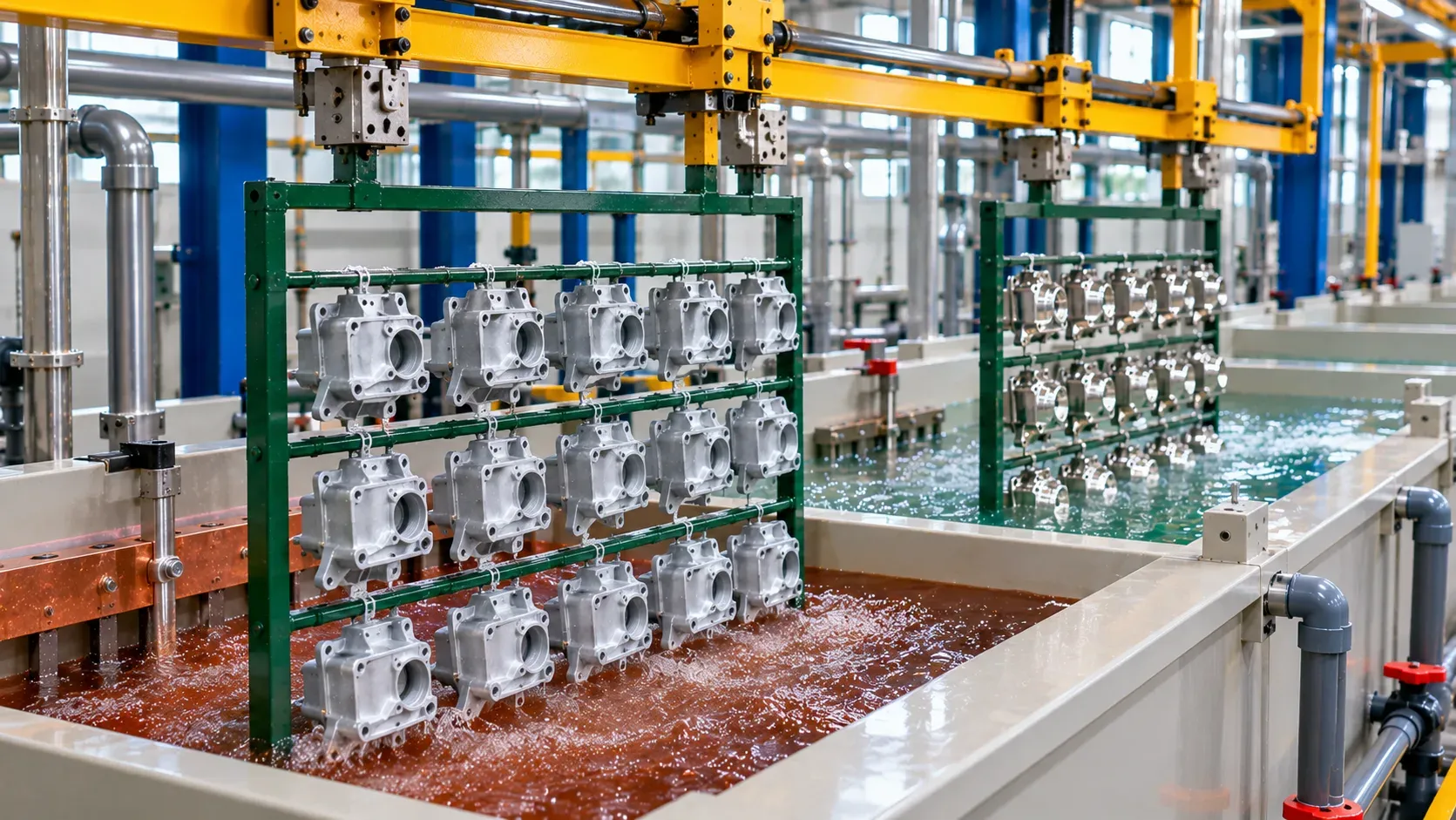
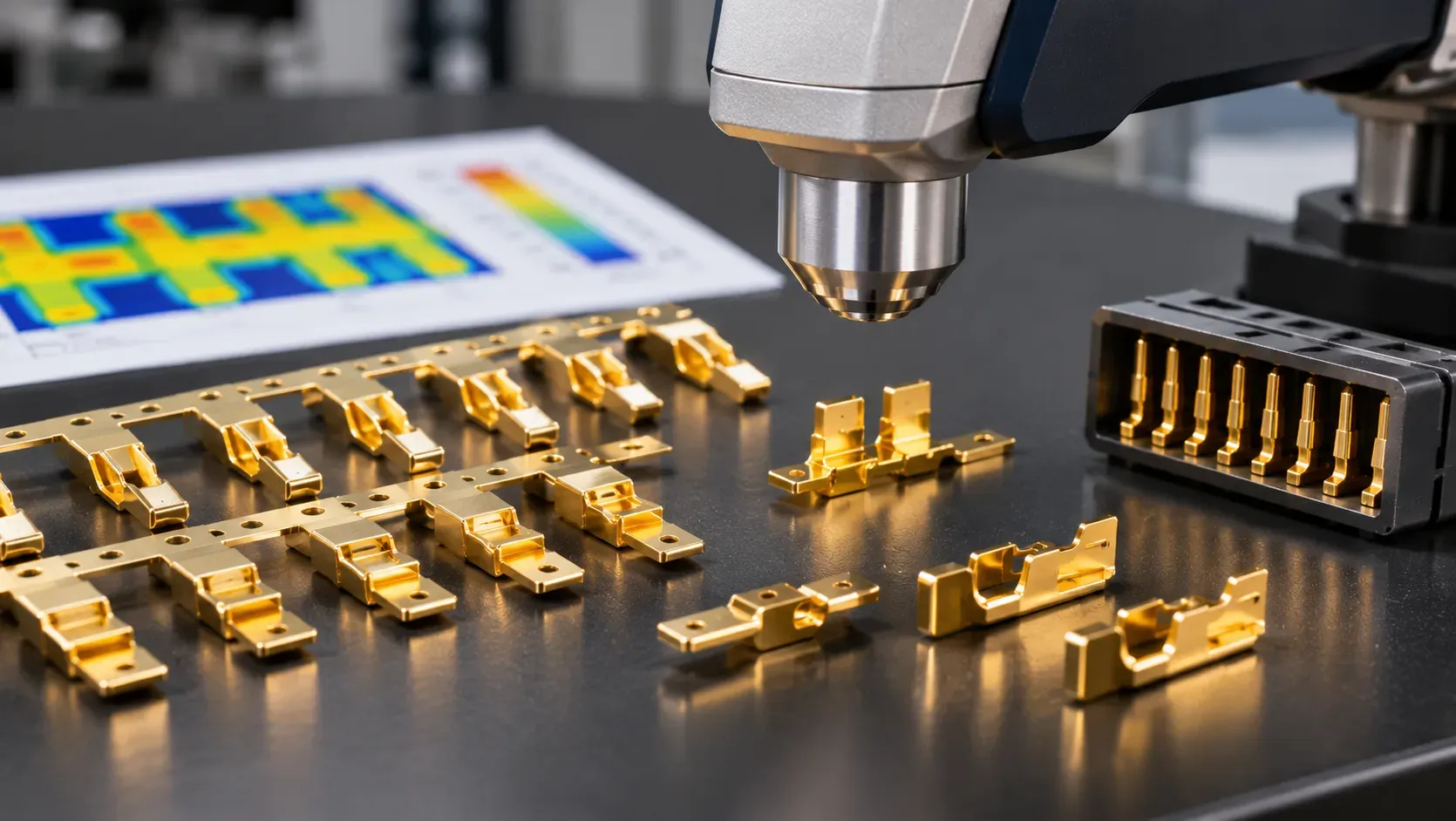
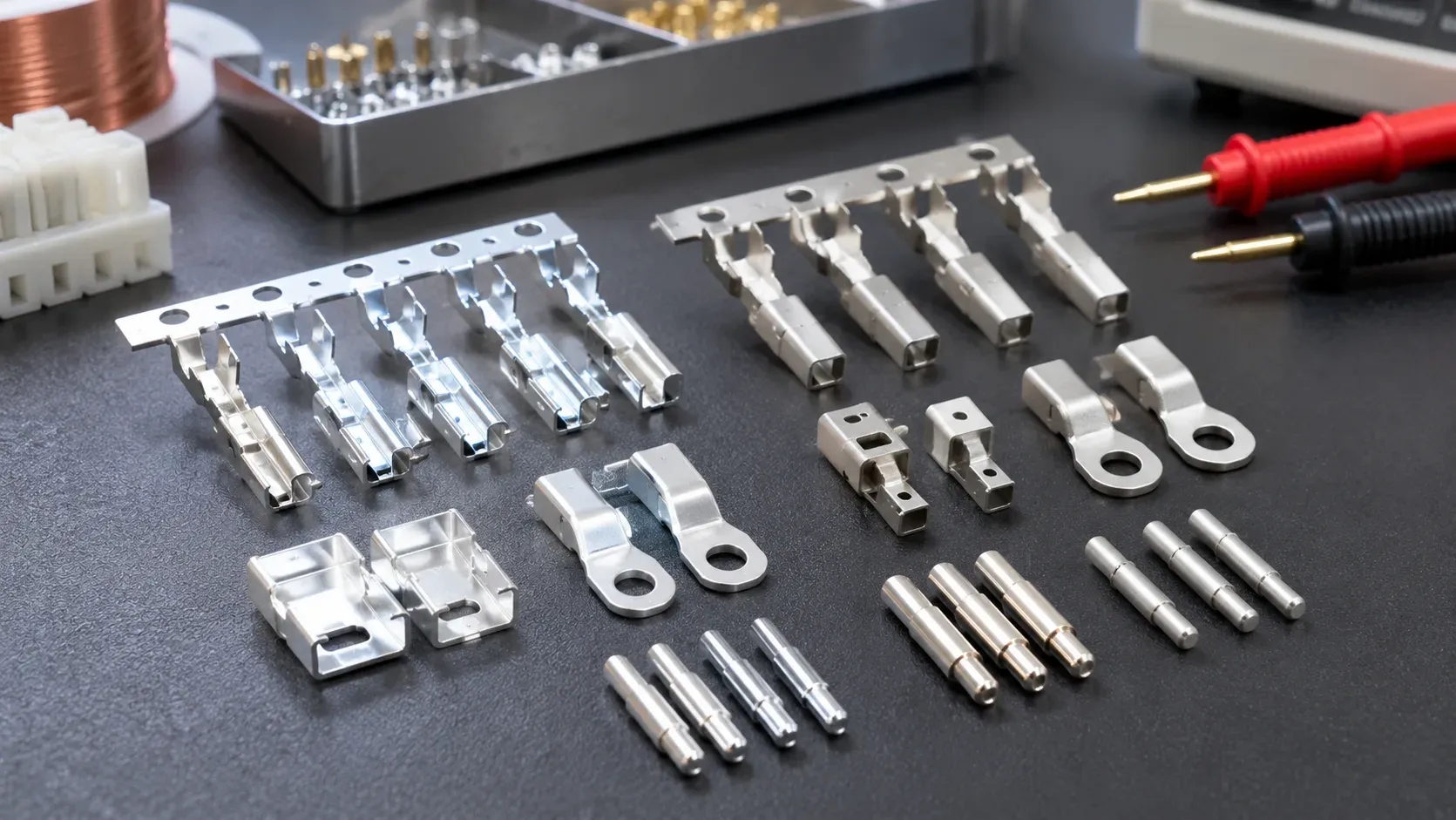
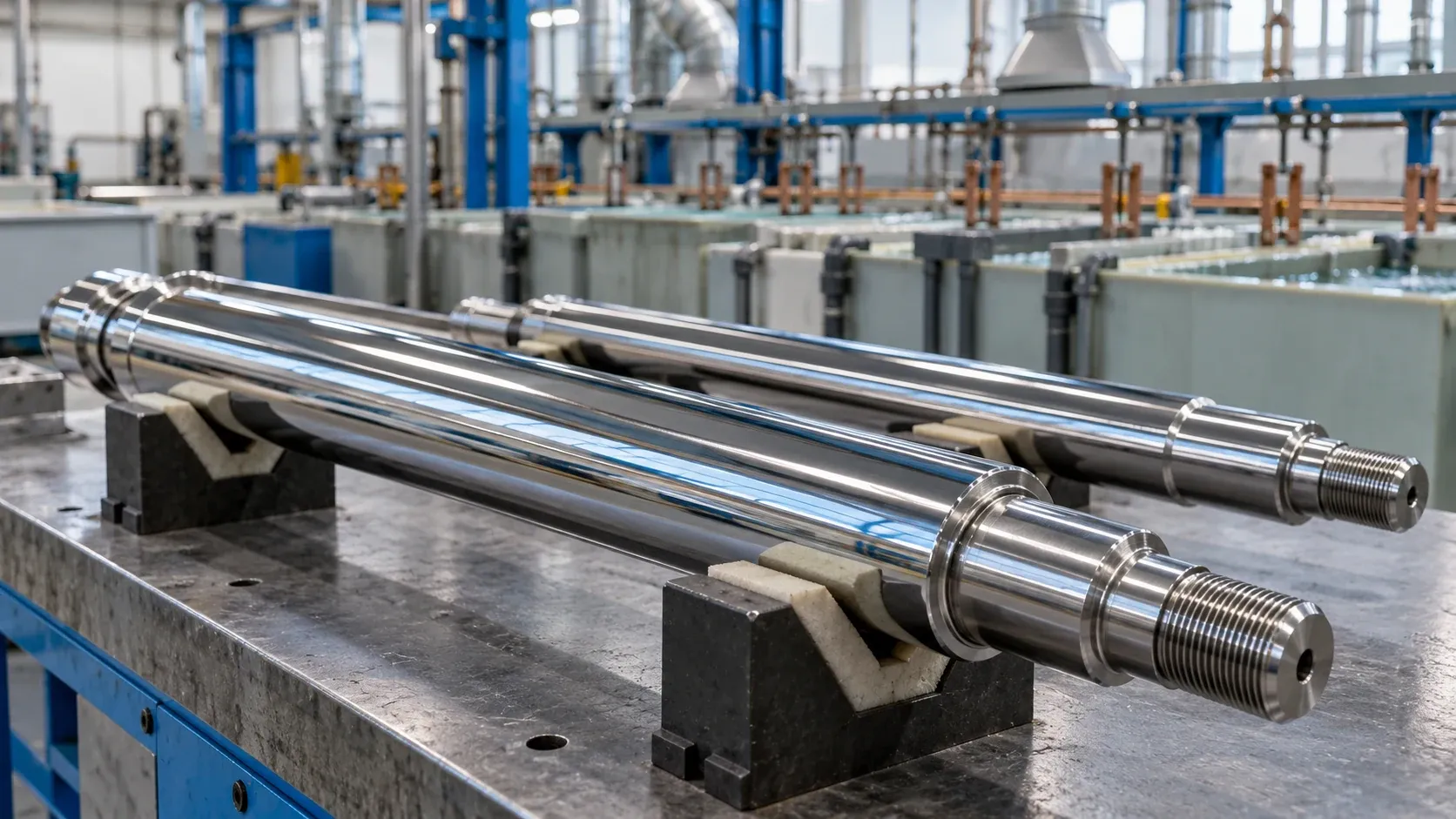
Image note: AI-generated editorial imagery illustrates equipment or workpiece contexts; it is not an ES-PRO installation, customer reference or evidence of coating conformity.