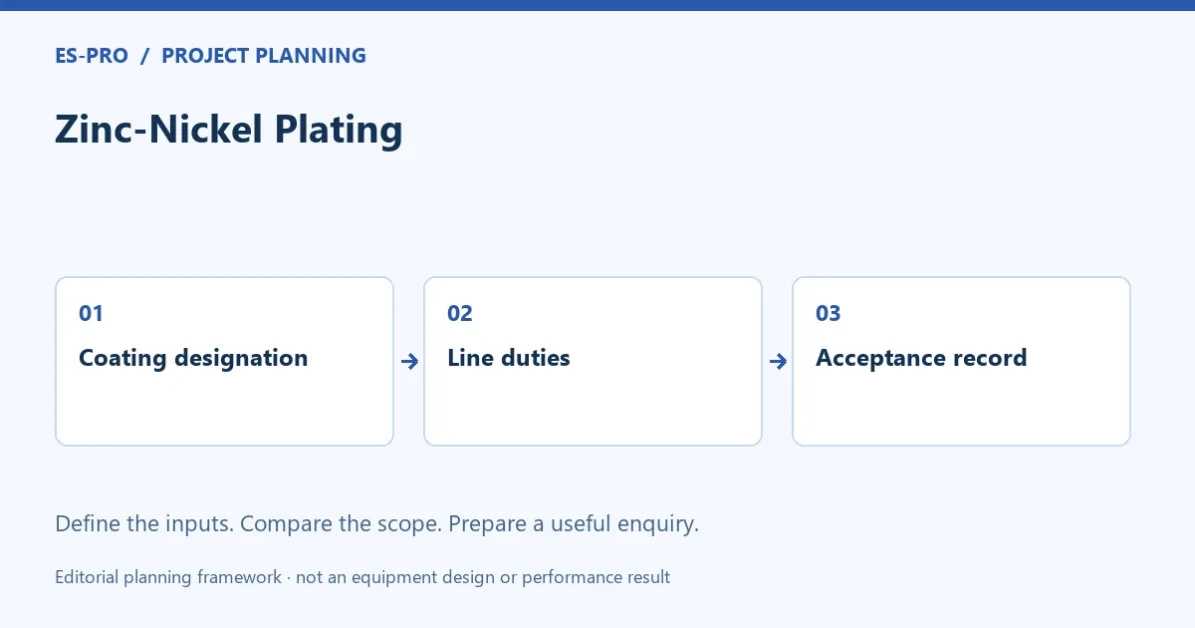
A zinc-nickel plating line should be specified from the complete coating requirement, substrate and accepted production target. Include the deposit designation, post-treatment and test requirements in the same brief. Selecting equipment by the phrase “zinc-nickel” alone leaves the process route, loading arrangement and acceptance conditions open.
This guide is for buyers translating a drawing or customer requirement into an equipment project. For general zinc-coating background, see zinc plating: process and equipment. Here the task is defining the additional questions raised by a zinc-nickel coating specification.
Which coating system is actually specified?
Provide the complete drawing note and applicable customer documents. Identify substrate, coating designation, required post-treatment and any surfaces excluded from the coating. Record the standard edition agreed for the project rather than citing a designation without its version or acceptance requirement.
The ISO 19598 official record covers electrodeposited zinc and zinc-alloy coatings on iron or steel with supplementary Cr(VI)-free treatment. It identifies zinc-nickel within its scope. Refer to the agreed full specification for the required designation and tests; this article does not assign coating thickness, composition or corrosion-test hours.
Keep the coating system together when comparing proposals. A deposit followed by one post-treatment is not necessarily the same requirement as an offer using a different finish. Ask the process owner to resolve alternatives before treating quotations as interchangeable.
What should the process owner supply?
Request the approved chemistry documents and operating windows for the intended route. Identify how the required deposit and post-treatment will be monitored and verified. These inputs help define equipment duties without making the line supplier invent the customer's coating requirement.
State which inputs are already validated and which depend on sample work. If the line will run several part families or processes, give the production mix and identify the intended changeovers. Ask how the proposal accommodates those differences and which operating responsibilities remain with the factory.
Do not translate a standard coating designation into a universal bath recipe. The equipment brief needs the approved route and control requirements for the actual process being proposed.
Does the project need rack or barrel handling?
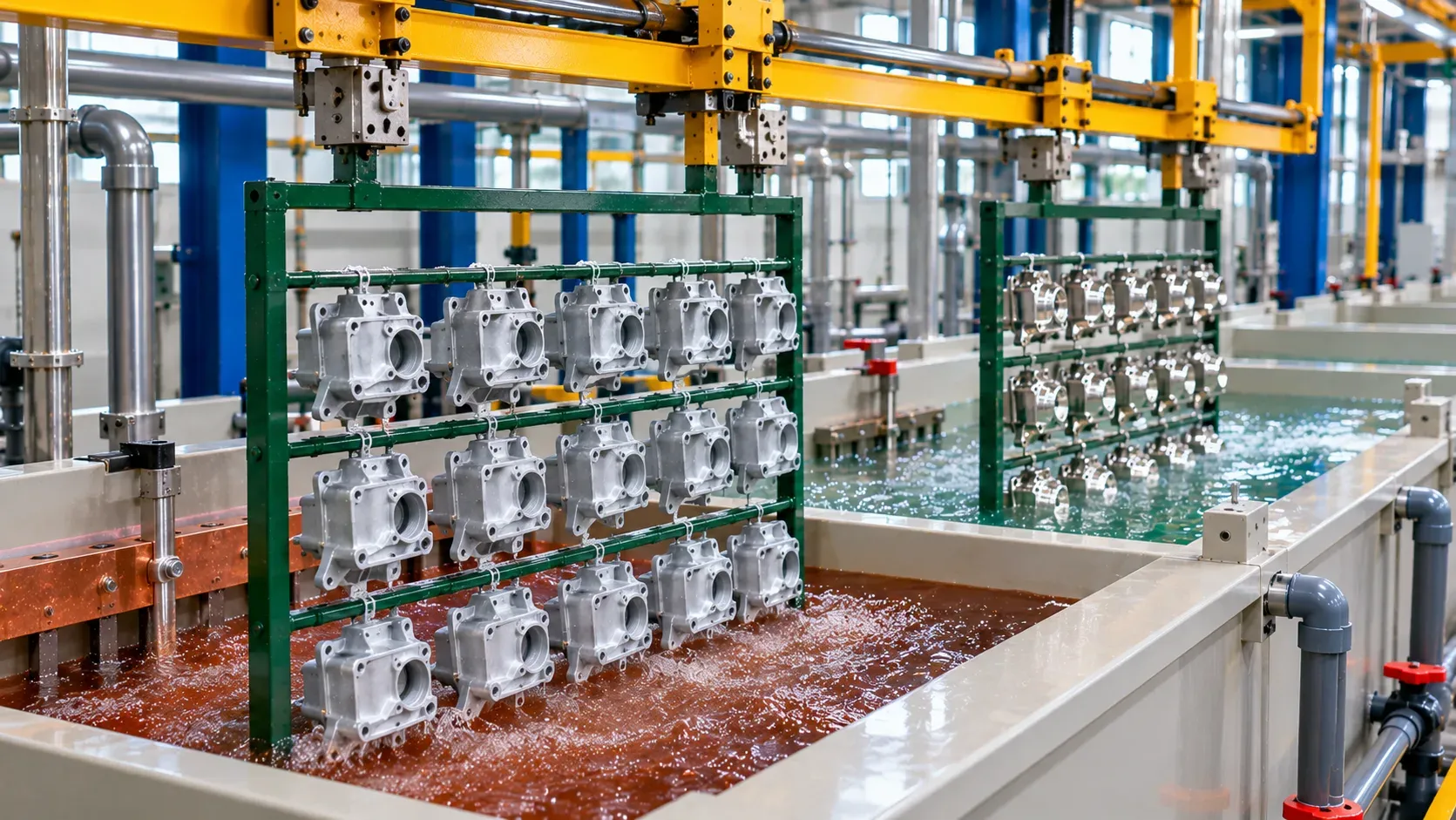
Provide part dimensions, weight, material condition and acceptable contact or handling marks. Ask for a loading assessment against the finished requirement, especially where parts have recesses, threads, nesting risks or appearance-sensitive surfaces.
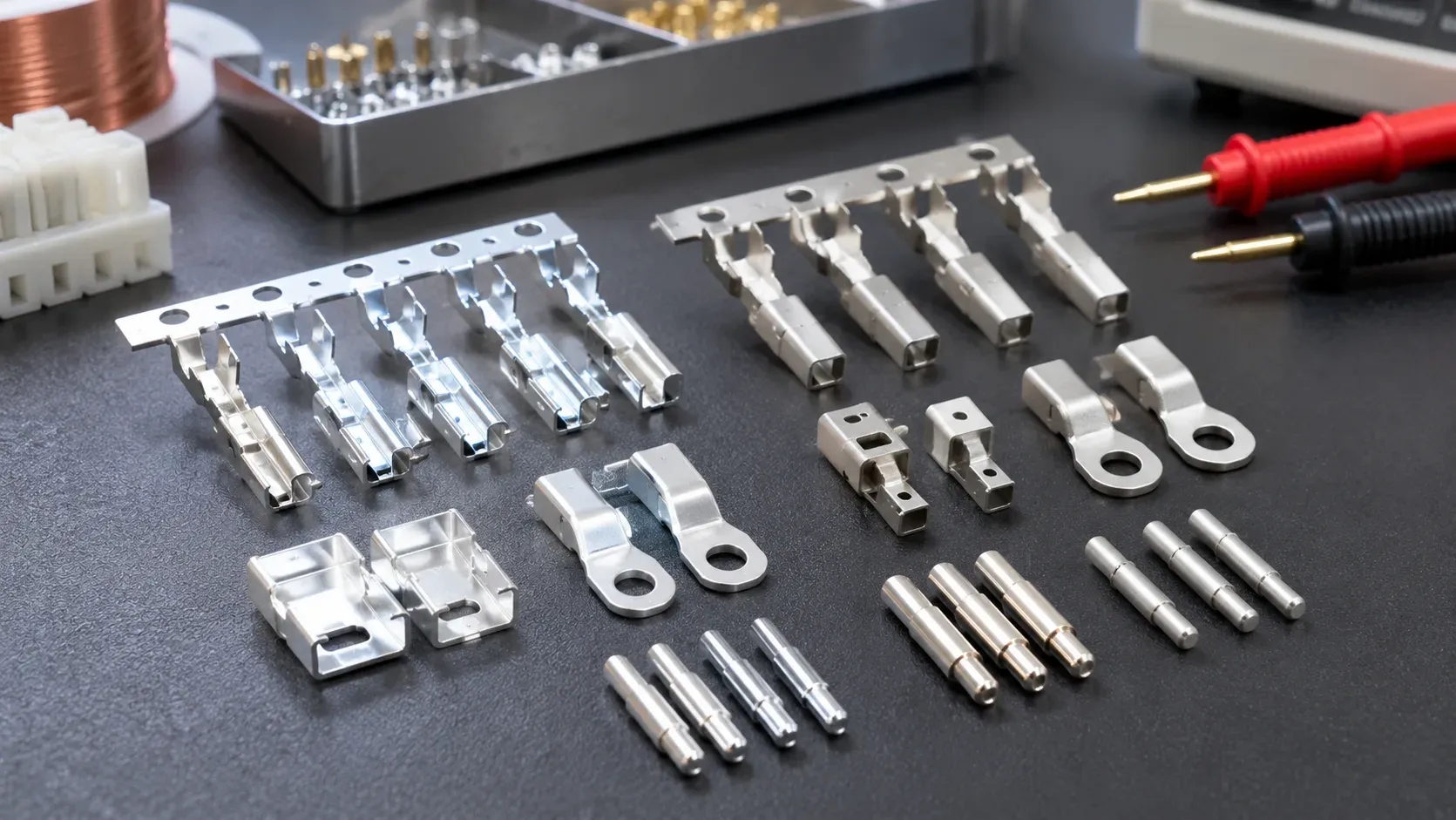
The comparison in barrel versus rack plating is a starting point. Final suitability needs the actual parts and acceptance criteria. Two parts with the same coating designation can need different loading arrangements.
Define production in accepted pieces, mass or plated area per month. Include product changes, shifts and expected load variation. Ask the supplier to show the load and cycle assumptions behind the proposed output, with inspection or post-treatment restrictions included where relevant.
Map the specification to equipment duties
| Specification or project input | Equipment question to resolve |
|---|---|
| Substrate and incoming condition | Which preparation duties and material checks are required? |
| Approved coating route | Which stages need independent tanks, monitoring and control? |
| Deposit requirement | Which electrical, loading and process records must be available? |
| Post-treatment | Which stages, transfer conditions and drying duties are included? |
| Finished-part acceptance | Who supplies samples, performs tests and retains results? |
| Accepted output | Which load sizes, timing and operator tasks support the capacity offer? |
| Site obligations | Who supplies extraction, water, effluent treatment and installation? |
This is an editorial requirement-to-equipment map. It does not claim that a line already meets a customer's coating approval or that every item is part of a standard package.
What should the acceptance demonstration include?
Agree representative parts, loading, the approved route and the required tests before manufacture or commissioning. Define which records will demonstrate the operating sequence and how those records connect to the inspection result.
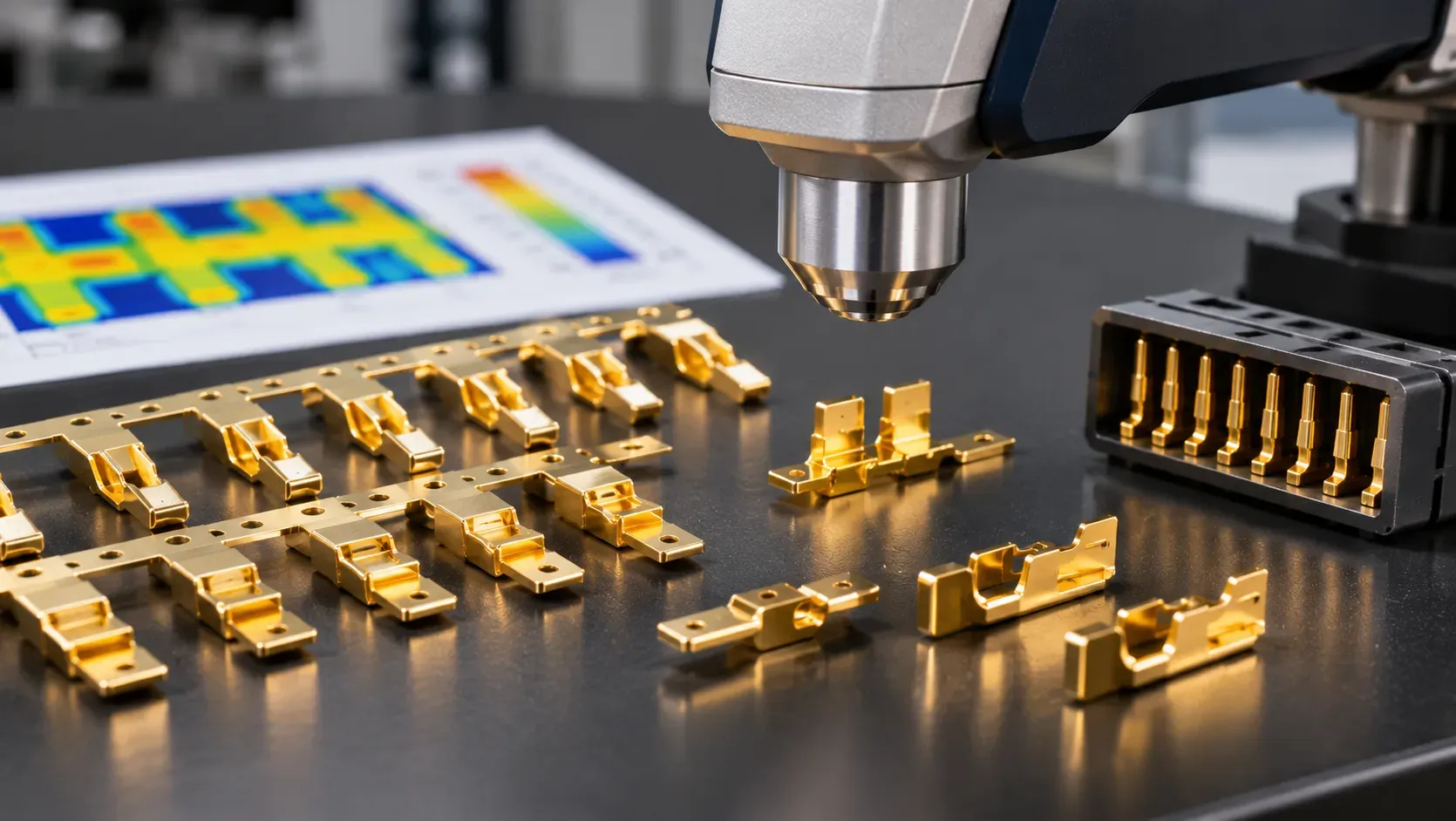
Ask for the agreed coating and post-treatment checks, including their locations and sampling responsibilities. A photograph of completed parts cannot establish composition, thickness or specified corrosion performance. Keep the demonstrated result separate from an unsupported general guarantee.
For high-strength or otherwise critical components, make the drawing's material and process restrictions explicit. The process owner and customer determine relevant pretreatment, post-treatment and verification requirements. The equipment project should identify the duties needed to perform and document those requirements without replacing them with a generic programme.
What belongs in the quotation boundary?
Identify the handling equipment, tanks, electrical supply, monitoring, filtration and other assessed process support. Then list extraction, rinse water, wastewater, installation and commissioning separately, assigning responsibility for each interface.
If part of the project is an upgrade, identify retained equipment and provide its actual condition and duty. Do not assume that an existing system is suitable merely because it previously processed zinc coatings. The line quotation guide provides a useful scope-comparison format.
Questions You May Have:
Can an existing zinc line be converted to zinc-nickel?
It needs a process and equipment review. Supply the tank schedule, wetted materials, electrical equipment, controls and support systems so the retained and changed duties can be identified.
Does a standard number provide the whole equipment specification?
No. Provide the agreed designation, edition, customer requirements and process route. The equipment offer must explain how those requirements translate into its scope.
Can a supplier promise corrosion hours before assessing the parts?
Request performance only against a defined coating system, part condition and test requirement. An unqualified corrosion-hour figure is not a comparable acceptance plan.
Should commissioning use the planned production load?
Agree a representative load and document any differences from production. The demonstrated result needs to be related to the loading and process assumptions in the offer.
Get Proposal and Demo
Share the zinc-nickel drawing requirement, part range and accepted-output target. Ask which equipment duties and demonstration should be assessed. Drawings and specifications can follow at sales@electroplating-equipment.com.