Plating Process
Electrocleaning Equipment: Build a Process Brief
Electrocleaning equipment should be specified around an approved cleaning route for the actual substrate and incoming soil. Define the electrical operation, loading, bath conditions, rinsing and accep
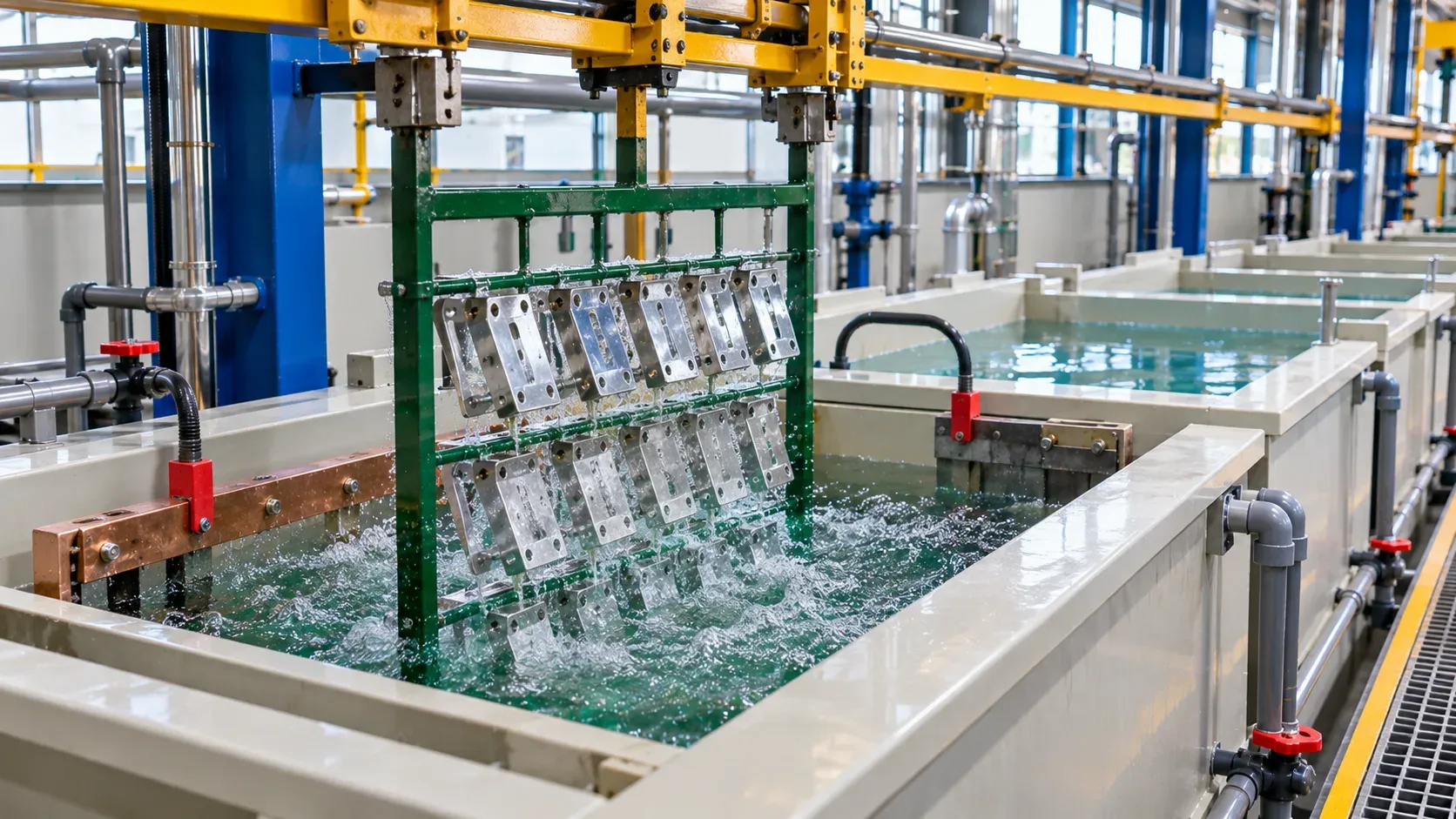
Electrocleaning equipment should be specified around an approved cleaning route for the actual substrate and incoming soil. Define the electrical operation, loading, bath conditions, rinsing and cleanliness acceptance together. A tank and rectifier combination does not by itself establish that a part is ready for the subsequent coating process.
Part & incoming soilApproved cleaning dutyVerify readiness
Original editorial enquiry framework. Conceptual inputs, not an engineered layout or measured result.
This guide is for a production buyer preparing the cleaning stages of a plating line. It helps translate a process owner's requirements into equipment duties. It does not prescribe cleaning chemistry, polarity or operating settings. For the sequence around cleaning, see our electroplating process overview.
Which incoming-part details should an electrocleaning brief include?
Identify the substrate, manufacturing condition and significant surface features. Describe oils, residues, handling contamination and other soils expected at receipt. Where a supplier's oil or manufacturing process changes, make that variation visible in the brief. A clean sample selected for a demonstration may not represent the normal incoming work.
Provide the permitted contact locations and loading restrictions. The cleaning equipment must accommodate the fixture or bulk-handling arrangement approved for the process. Include recesses, trapped-liquid areas and surfaces that are difficult to inspect. Mark the areas that the subsequent coating specification treats as significant.
The official ASTM B322-99(2025) record addresses cleaning before electroplating and emphasizes selection for the substrate and soils. Use the agreed procedure and edition; the catalogue does not validate a particular bath or equipment setting for your parts.
Which cleaning stages belong in the electrocleaning equipment scope?
Ask the process owner to provide the approved cleaning and preparation sequence. Distinguish bulk-soil removal, the electrocleaning duty and the rinses or other preparation stages around it. Specify the transfer and delay constraints between stages where those have been established by the validated route.
For each duty, list its tank, loading arrangement, temperature requirement where applicable, circulation or other process services, and acceptance checks. Identify whether a new enquiry concerns one cell, an upgrade to retained equipment, or the complete preparation section of a line.
Brief item | Process-owner or buyer input | Equipment question |
|---|---|---|
Incoming condition | Material, manufacturing state and expected soils | Which representative loads define the cleaning assessment? |
Approved operation | Required electrical sequence and operating limits | Which rectifier and control functions must be quoted? |
Loading | Fixtures, contact locations and loaded weight | How are parts supported and the required connection made? |
Bath services | Approved temperature and other process duties | Which heating, monitoring and circulation functions are included? |
Transfer/rinsing | Route, transfer conditions and rinse requirements | Which handling and water interfaces accompany the cell? |
Acceptance | Cleanliness check and subsequent coating requirements | What evidence establishes that the agreed load is ready? |
This is an original procurement schedule, not a cleaning recipe. The process owner supplies and approves the operating requirements; the equipment offer should identify how those requirements are implemented.
How should electrocleaning electrical duties be compared?
Provide the required operating range and electrical sequence rather than a maximum-current figure alone. Identify which conditions are recipe-controlled, which need operator confirmation and what records the factory expects. Ask the vendor to distinguish confirmed functions from options or unresolved engineering requirements.
Describe retained connections and control interfaces for a replacement or upgrade. Include available site supply and the existing equipment identification. Request a connection boundary showing responsibilities for conductors, switching, controls and installation. Do not assume that buying a rectifier also completes the cell's integration.
Review the contact and loading arrangement with representative parts. The comparison needs an explanation of how the agreed load receives the specified electrical operation and how fixture condition is assessed. A demonstration on a different part family is evidence about that demonstration, not automatic acceptance of the production load.
For tank and ventilation assessment in U.S. projects, OSHA's dipping and coating requirements provide relevant regulatory context. Applicable controls and the safe operating arrangements must be determined for the actual process by the responsible parties.
What should an electrocleaning trial establish before plating?
Select representative incoming parts and document their condition. Agree the preparation sequence, loading, operating requirements and inspection method before the trial. Record which parts were processed and the conditions used. The outcome should be assessed against the process owner's cleanliness and subsequent coating criteria.
Where the demonstration includes coating after cleaning, identify responsibility for the downstream process and its acceptance checks. A coating problem can have several possible causes; the trial record should preserve enough information to distinguish an unresolved cleaning condition from a later processing issue.
Include routine operating variation in the commissioning plan. Ask how the factory will recognize a changed soil load, fixture condition or bath state that requires review. Identify the records and authorized decisions needed before altering a validated cleaning sequence.
What should an electrocleaning equipment replacement enquiry include?
Provide the existing tank and rectifier identification, the approved process and the observed limitation. Separate a confirmed equipment fault from a process problem that remains under investigation. Increasing power or adding a cleaning stage should be treated as a proposal requiring assessment, rather than a presumed correction.
State what will remain: fixtures, tanks, rinses, ventilation, water supply and control hardware. Use the plating-line quotation guide to list each item as included, optional or retained by the factory. This also helps define the shutdown and commissioning boundary.
Questions You May Have:
Is electrocleaning the same as ultrasonic cleaning?
They describe different operating methods. The process owner selects the preparation route for the substrate and soils, and the equipment brief follows that approved route.
Can one electrical setting be used for every material?
Do not assume that. Supply the substrate and approved sequence; required settings and restrictions are process-specific inputs.
Does visibly clean appearance prove coating readiness?
Use the agreed inspection and downstream acceptance criteria. Visual appearance alone does not define the complete cleanliness requirement.
Can I begin without a finalized cleaning recipe?
Yes. Introduce the part and incoming condition, and identify the process-development status. A fixed equipment proposal needs the relevant requirements resolved.
Get Proposal and Demo
Introduce your cleaning-stage project with the substrate, expected soils and known production duty. The form requires company, name, email and project country only; technical information is optional. Ask which representative-part demonstration and equipment interfaces are relevant to the assessment.
Send drawings or existing process documents by sales email, or chat on WhatsApp. Explore the gantry equipment family when the project includes coordinated batch handling.
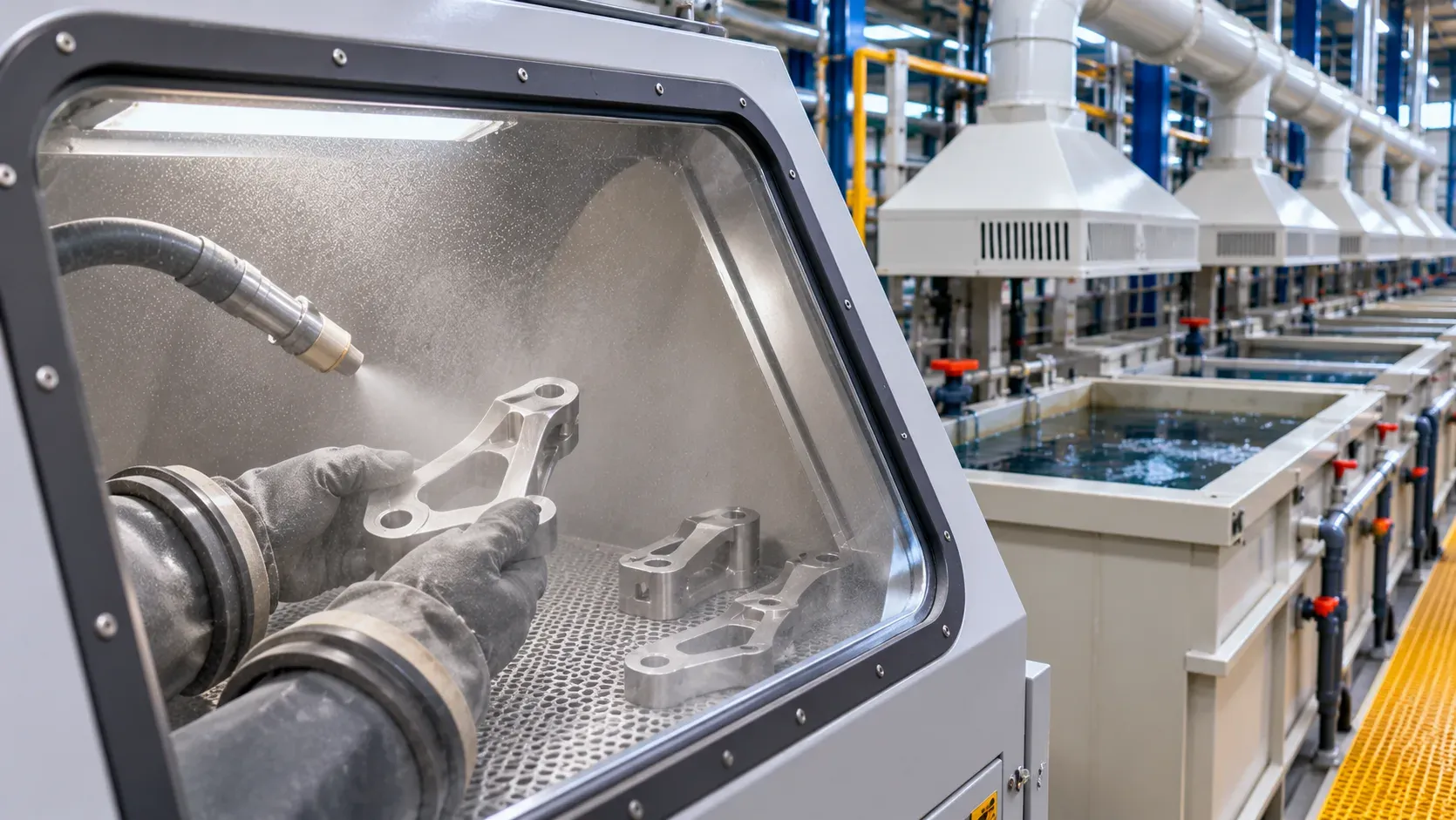
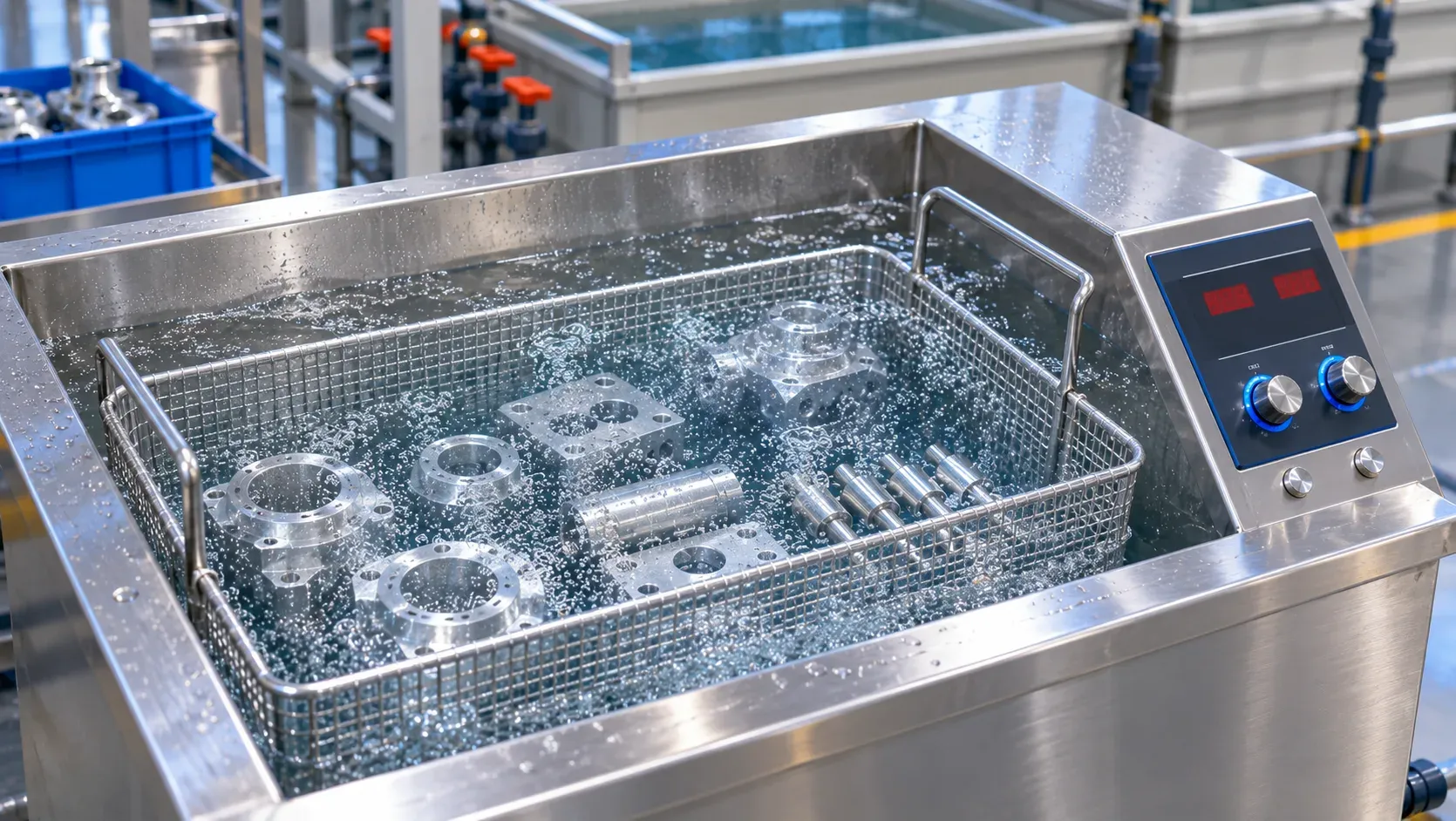
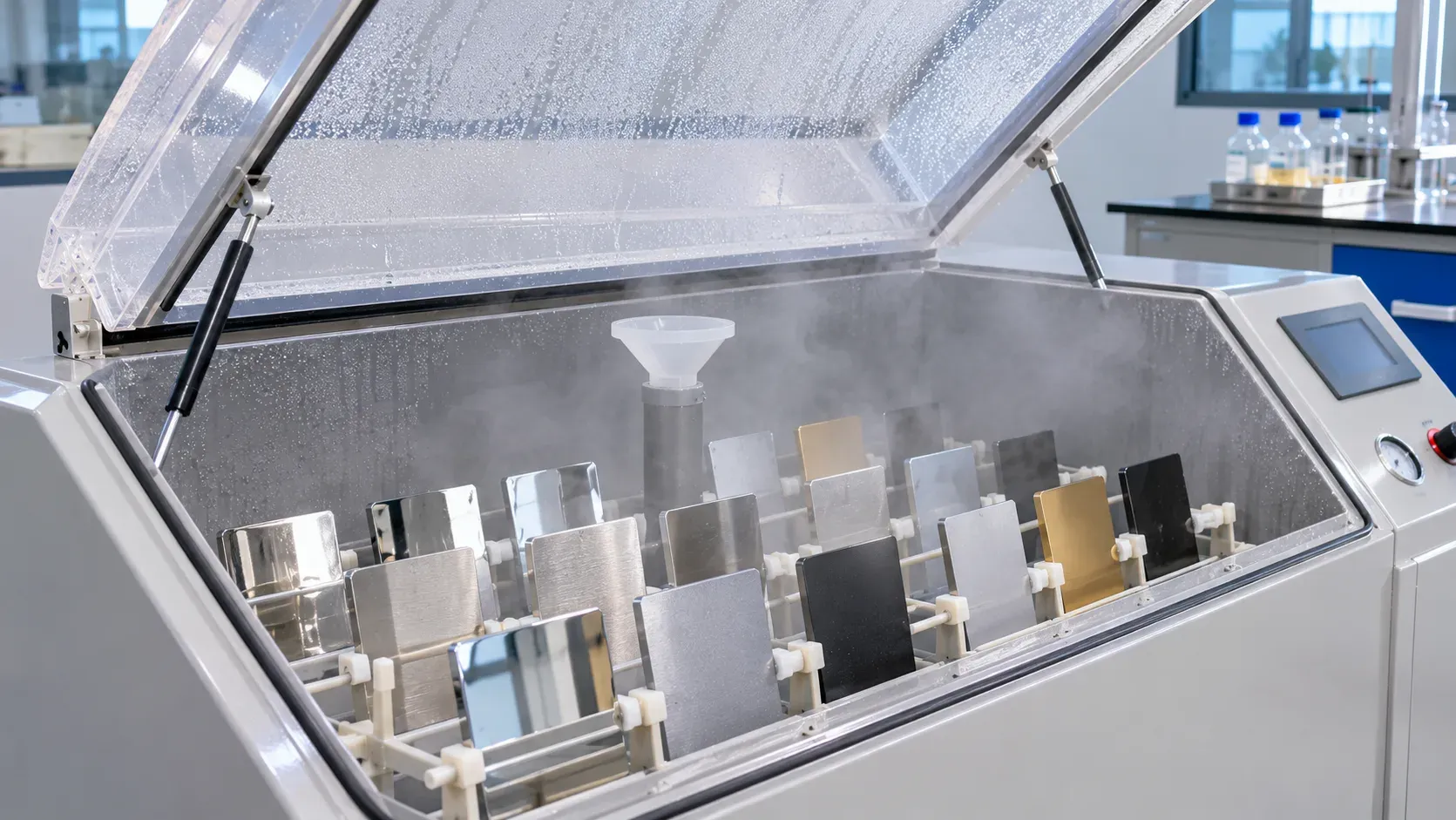
Image note: AI-generated cover illustration; not an ES-PRO installation, customer project or test result.